What Time of Year Is Best for Wine Tours?
Harvest runs February to April in the Yarra Valley, winter brings fog and fireplaces, summer needs an early start. A month-by-month look at when to book a tour from Melbourne.
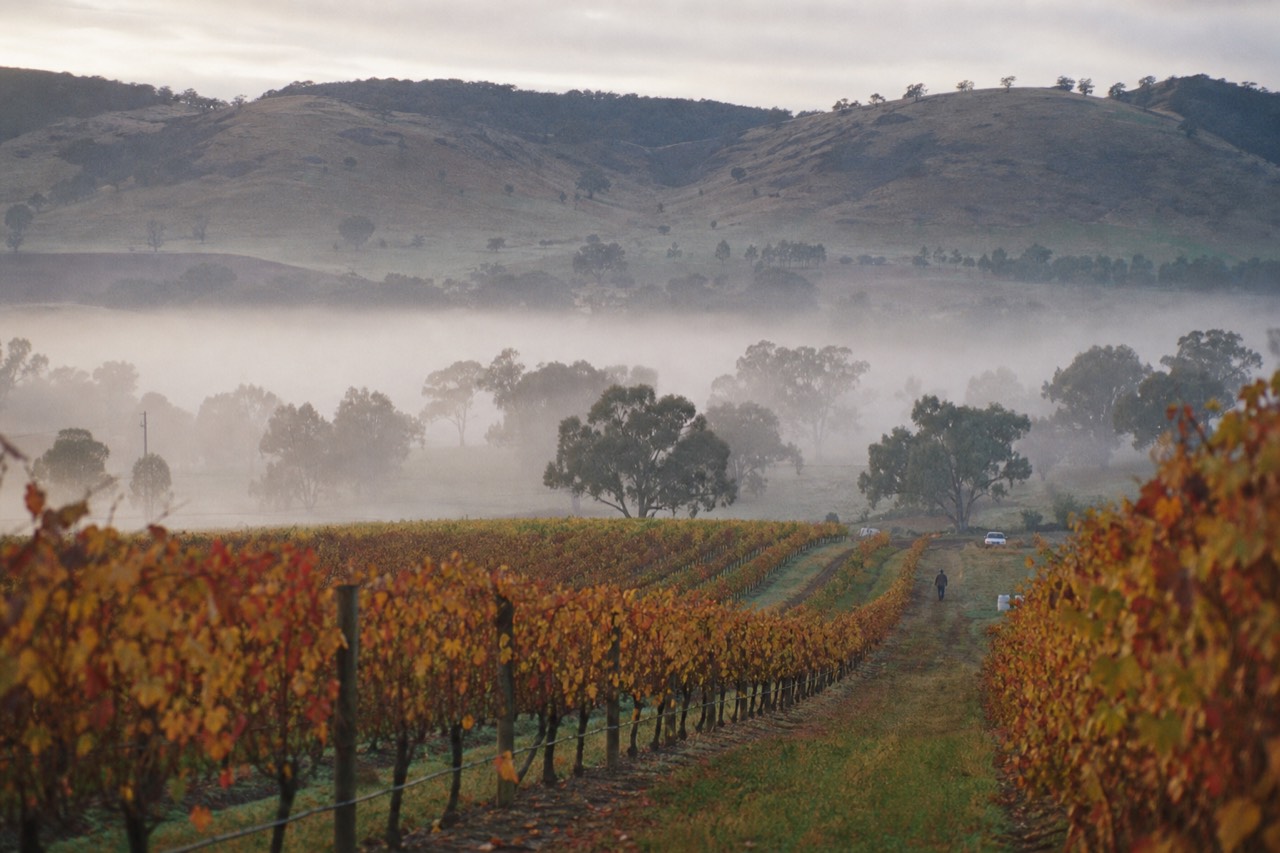
Victoria crushed 191,765 tonnes of grapes in 2026, down 31 per cent on the year before and on the ten-year average, in the smallest national vintage since 2000. The winemakers were not miserable about it. The reports coming out of the Yarra described stop-start conditions, low yields and fruit of unusual purity, with almost no disease pressure. Less wine, better wine.
That is the sort of thing you only notice in the tasting room if you visit at the right time of year, and it is a good illustration of why the "when" question here has a real answer rather than a diplomatic one.
What time of year is best for wine tours near Melbourne?
Autumn, from March to May, if you want one answer. The vines are colouring, harvest is finishing, the valley is at its most photogenic and balloon conditions are at their calmest. Winter is the underrated second choice for fireside tastings and thinner crowds. Summer works, but take a morning departure.
The Yarra Valley sits about an hour from the CBD and shares Melbourne's habit of running four seasons through one afternoon. Nothing about the region shuts down seasonally: the Chocolaterie opens 9am to 5pm every day except Christmas Day, Healesville Sanctuary runs 9am to 5pm year-round, and the cellar doors keep their normal hours. So this is not a question of what is open. It is a question of what the day feels like.
Autumn wins on three counts at once. The fruit is either coming off or just off, so there is activity in the sheds rather than an empty winery. The leaf colour in the valley is genuinely worth the drive. And the air is settled, which matters if a balloon is anywhere in your plans.
Spring runs a close second and is the better call if you want green vines, wildflowers and comfortable walking weather without the harvest bustle. Summer is warm and busy, with high season generally running November through February. Winter is the contrarian pick, and we make its case properly further down.
| Factor | Summer, Dec to Feb | Autumn, Mar to May | Winter, Jun to Aug | Spring, Sep to Nov |
|---|---|---|---|---|
| What the vines look like | Full green canopy, fruit on the wire | Colouring gold and red, harvest under way | Bare and pruned | New growth, flowering |
| Harvest activity | Starts late in the window | Peak, February through April | None | None |
| Balloon conditions | Flyable, less reliably calm | Among the calmest of the year | Flyable, cold and often foggy | Among the calmest of the year |
| Crowd level | Highest, peak season | Busy on weekends | Quietest | Building |
| The main risk | Heat, and historically summer smoke | Rain on a colour weekend | Fog delaying a morning start | Melbourne's four-seasons habit |
| What it suits | Early departures, long evenings | Photography, wine-serious visits | Fireplaces, small groups, value | Walking, gardens, calm air |
What is actually happening in the valley during harvest?
Grapes come off between February and April, with some sources stretching the window to May. Pickers work at dawn, trucks move fruit to the crush pad through the day, and cellar doors carry on serving in the middle of it. You will smell fermentation, see full bins and meet staff who are working double.
Harvest is the only time of year the winery is doing the thing the winery exists to do. That sounds obvious and it changes the visit completely. Outside harvest, a cellar door is a shop with a view. During harvest it is a shop attached to a factory in full production, and the tasting-room staff have opinions about how the fruit is coming in because they heard about it at breakfast.
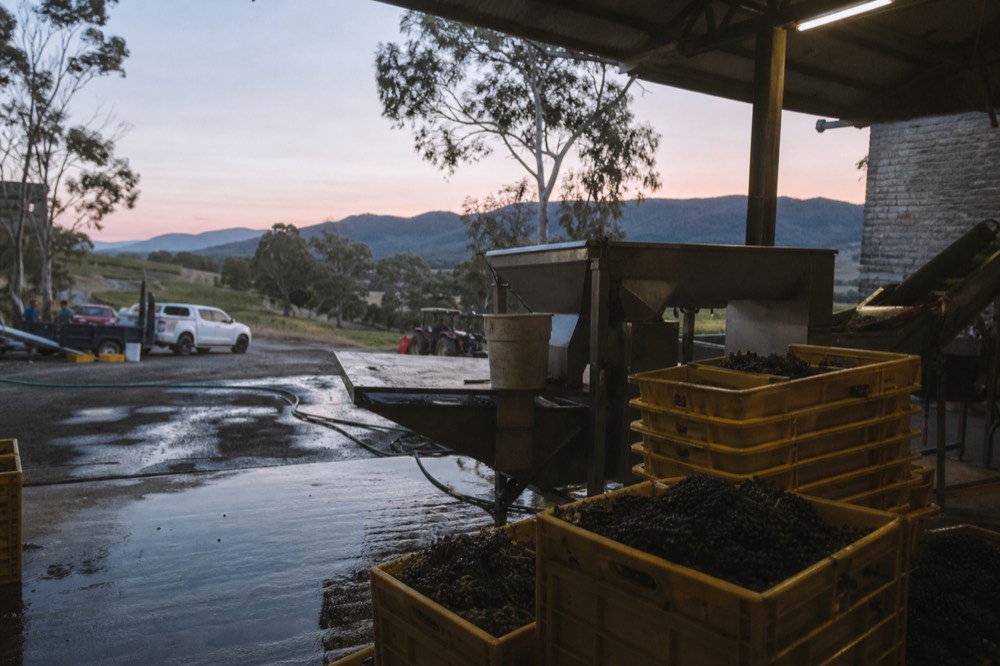
The 2026 vintage is a good example of the kind of detail you pick up in person. Wine Australia's national vintage report put the national crush at 1.27 million tonnes, the smallest since 2000, with Victoria at 191,765 tonnes and down 31 per cent. Yields were low and Pinot Noir in particular had a stop-start season. The compensating story, which the numbers do not carry, was fruit quality: near-zero disease pressure and unusual concentration, following a very wet winter and an early, warm run into the season.
One practical warning about harvest visits. Cellar doors do not stop trading, but the people running them are stretched, and some estates restrict tours or move tastings around while the crush pad is going. It is the best time to visit and the least flexible.
Is winter a bad time for a Yarra Valley wine tour?
No, and the fog is the reason to go rather than the reason to stay home. Winter mornings in the valley sit under low cloud that usually burns off by late morning, leaving clear cold afternoons. Cellar doors light fires, the crowds thin out, and reds show better in a cool room than they do in February heat.
Melbourne winters are mild by northern-hemisphere standards, and the valley floor collects fog and frost on cold mornings through June, July and August. If your tour departs at 9am you may spend the first hour in grey soup. By eleven, more often than not, it has lifted.
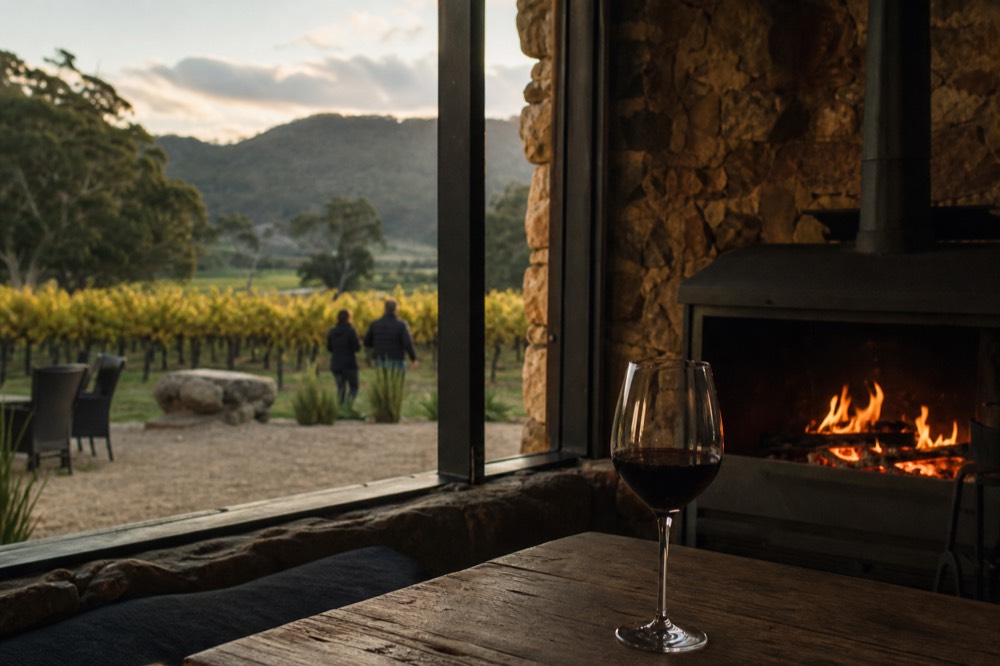
What winter genuinely gives you is room. Fewer buses in the car parks, tasting benches you do not queue for, and staff with time to talk. For anyone who cares more about the wine than the photographs, that is a meaningful upgrade, and it costs nothing extra.
Winter also pairs well with an itinerary that includes a winery lunch between cellar-door tastings. Wildlife-and-wine days are a different choice: Healesville Sanctuary includes outdoor paths, so dress for the conditions rather than treating it as an indoor-weather alternative.
The one thing to plan around in winter is daylight. The light goes early, so a day that finishes outdoors will finish in the dark.
What do summer and spring change about a tasting day?
Summer means heat, peak crowds and a case for the earliest departure you can find. Spring means calm air, green growth and the second-best balloon conditions of the year. Late summer can overlap the start of harvest; actual picking dates depend on the vintage.
High season around Melbourne runs roughly November to February. Heat, holidays and events can affect how busy a day feels. Compare your actual departure date and fare rather than assuming either a surcharge or a bargain.
Heat is the real summer variable. A 35-degree afternoon makes standing in a gravel car park unpleasant and makes big reds hard work. The fix is timing rather than avoidance: earlier departures put your first two stops in the cool part of the day. Australia's summers also carry a historical bushfire smoke risk in the region, which is worth checking against current conditions rather than assuming either way.
Spring is the quiet achiever. Air is settled, the valley is green, and the weather is warm enough for terraces without being punishing. If you want a day that includes walking between blocks or a garden lunch, September to November is the window. The best cellar doors in the valley are also easiest to enjoy at this time, because the outdoor spaces most of them have built are actually usable.
Ballooning is a separate dawn commitment, not an automatic add-on to a wine tour. The verified Yarra flight experience takes about four hours overall, including approximately one hour in the air, and is weather dependent. Check the selected option for breakfast and transfers rather than using an old advertised fare.
Which month should you actually pick?
March and April are the strongest single months: harvest, colour and calm air together. September and October are the best of the shoulder. June and July are the value months if crowds bother you more than cold does. December and January are workable with an early start and a heat forecast checked the night before.
Picking a month is easier when you know what each one is trading away. Australia's seasons run opposite to the northern hemisphere, which catches out a surprising number of visitors who book a June trip expecting summer.
| Month | Season | What is happening | The trade-off |
|---|---|---|---|
| January | High summer | Peak crowds, full canopy, hot afternoons | Heat, and the busiest car parks of the year |
| February | Late summer | Harvest begins in the valley | Still hot, but the sheds come alive |
| March | Early autumn | Harvest peak, colour starting, calm air | Weekends get busy, book ahead |
| April | Mid autumn | Harvest finishing, best leaf colour | Rain becomes more likely |
| May | Late autumn | Colour holding, quiet weekdays | Shorter days, cooler tastings |
| June | Early winter | Fog mornings, fireplaces, thin crowds | Cold, and the light goes early |
| July | Deep winter | Quietest month, best access to staff | Bare vines, grey mornings |
| August | Late winter | Pruning under way, still quiet | Least photogenic vineyards of the year |
| September | Early spring | New growth, calm air, balloon season strong | Weather swings wildly day to day |
| October | Mid spring | Green valley, comfortable terraces | Demand starting to build |
| November | Late spring | Warm, green, high season begins | Prices and crowds both firming |
| December | Early summer | Long evenings, festive cellar doors | Peak crowds, and holiday closures near Christmas |
If a specific festival is driving your dates, check the organiser's calendar rather than a second-hand listing. The Melbourne Food & Wine Festival has traditionally run in March, Visit Melbourne has carried an October 2026 week, and the 2027 edition points at late March. The dates have moved, so confirm before booking flights around them.
Do the tours themselves change with the season?
The itineraries stay largely fixed, but availability and character shift. Small-group departures have limited vehicle capacity, but a smaller group cap does not establish how quickly a particular date sells. Afternoon-finishing tours land in better light between October and April. Indoor-heavy days hold up best in winter.
Group caps vary, and the format matters more than guessing which departure will sell first. If your dates are fixed, check the operator’s actual departure schedule and booking conditions before arranging the rest of your trip.
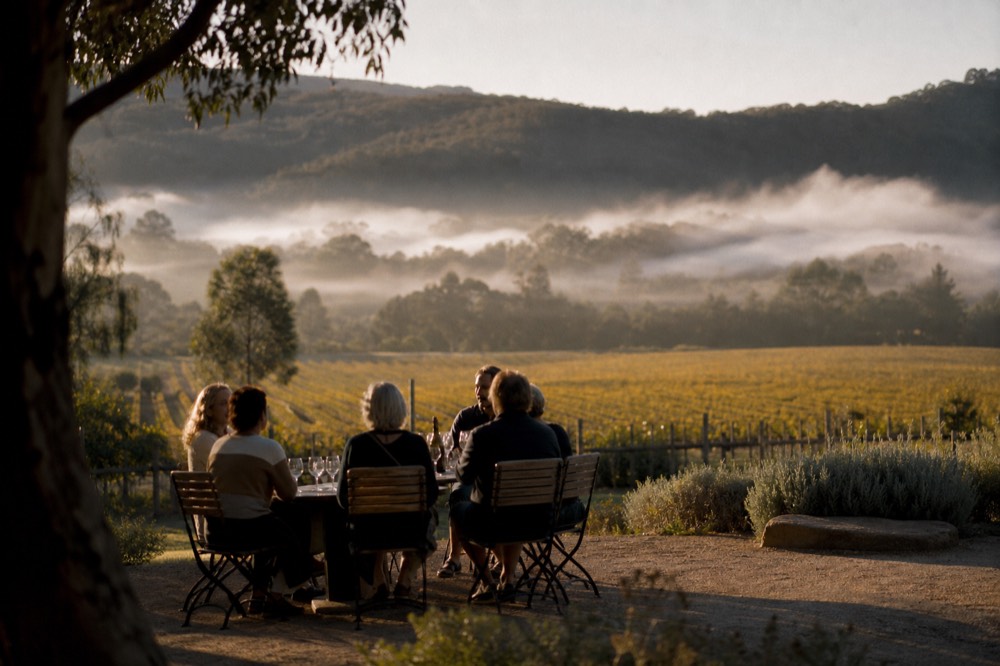
Character changes too. Days that finish with a wildlife stop or a terrace tasting are noticeably better between October and April, when there is still light at the end. A late outdoor stop in July may have less daylight; check the actual return schedule.
One thing that does not change by season is the driving question. Victoria's limit is 0.05 for a full licence and zero for learner and probationary drivers, in every month of the year, which is why almost nobody sensible self-drives this. How many cellar doors you can actually get through in a day is a separate calculation, and we ran the numbers on realistic winery pacing. The full set of departures, sortable by length and inclusions, sits on the Yarra Valley tour lineup, and if your trip is short enough that a full day will not fit, the city tasting options run year-round regardless of the weather.
Match The Day To Your Plans
Editorial starting point. Confirm your party's age, access needs and departure details on the listing.
Yarra Valley Wine Day Tour: Bottled water; Wine tasting; Driver/guide; Lunch; Air-conditioned vehicle; Hotel pickup and drop-off (selected hotels only) Not included: Alcoholic drinks (available to purchase); Gratuities 10 hours
Yarra Valley Sunrise Balloon Flight with GoPro Photos: Complimentary Luxe Balloon Magnet; Complimentary in-flight photos; Approximate one-hour sunrise hot air balloon flight; Digital flight certificate; Complete flight, ground insurance & launch/landing government fees Not included: Gratuities 4 hours