What Is the 20 Minute Wine Rule?
It is a serving-temperature trick, not a tasting rule. Whites come out of the fridge for 20 minutes, reds go in for 20, and no cellar door pacing rule exists.
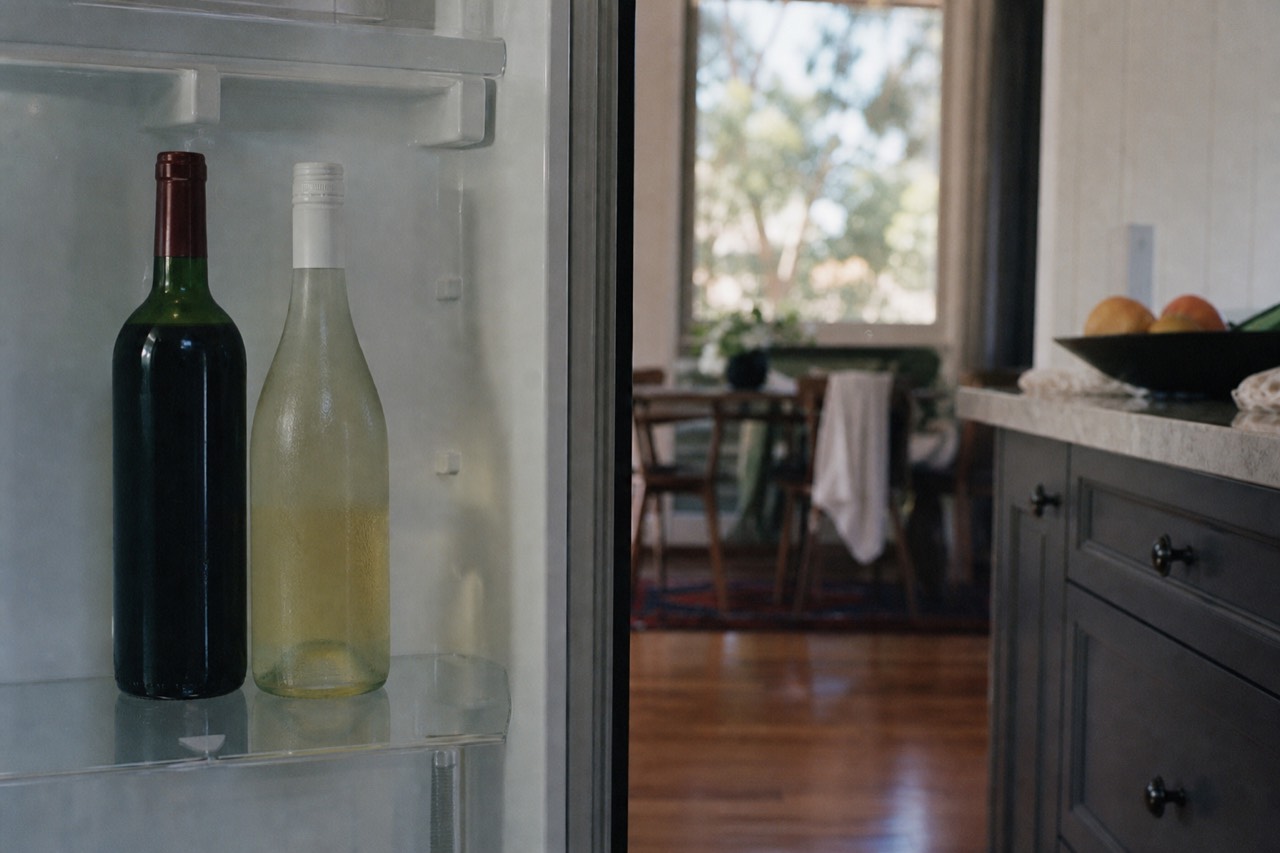
A red opened in a Melbourne kitchen in February is warmer than any winemaker intended it to be. A white pulled straight from the fridge door is colder than the person who made it would ever pour it. That gap is the entire problem the twenty-minute rule addresses, and it addresses nothing else.
Which matters, because the phrase has picked up two meanings it does not have. People arrive at a Yarra Valley cellar door believing there is a tasting-room clock involved. There is not.
What is the 20 minute wine rule?
It is a serving-temperature shortcut. Take white and rosé out of the fridge roughly 20 minutes before you serve them, and put a red into the fridge for roughly 20 minutes before you open it. Both moves land the wine closer to the temperature it was made to be drunk at.
The rule exists because domestic storage sits at two wrong extremes. A fridge holds bottles well below serving temperature. A kitchen bench in an Australian summer holds them well above it. Twenty minutes is a rough, memorable correction in each direction, and its whole appeal is that it needs no thermometer, no ice bucket and no equipment.
A second, smaller version of the rule circulates alongside it: drink a poured glass within about twenty minutes for peak aroma and flavour. That one is about the wine in front of you rather than the bottle in the fridge, and it is a much softer claim. Both are real usages. Neither has anything to do with how you behave at a tasting bench.
The rule is not precise and does not pretend to be. It is a habit, not a measurement, which is why it travels well and why it turns up in party-trick posts and morning television segments rather than in technical wine writing.
| Wine style | Where it usually starts | The 20-minute move | What changes |
|---|---|---|---|
| White | Fridge | Take it out about 20 minutes before pouring | Aroma opens up instead of staying locked shut by cold |
| Rosé | Fridge | Same, out about 20 minutes before | Fruit reads clearly rather than tasting flat |
| Red | Room temperature | Into the fridge for about 20 minutes | Alcohol stops dominating; the wine feels fresher |
| A glass already poured | In your hand | Drink it within about 20 minutes | The secondary version of the rule, about peak aroma |
| Sparkling | Fridge | Not addressed by the rule | The rule as it circulates says nothing about it |
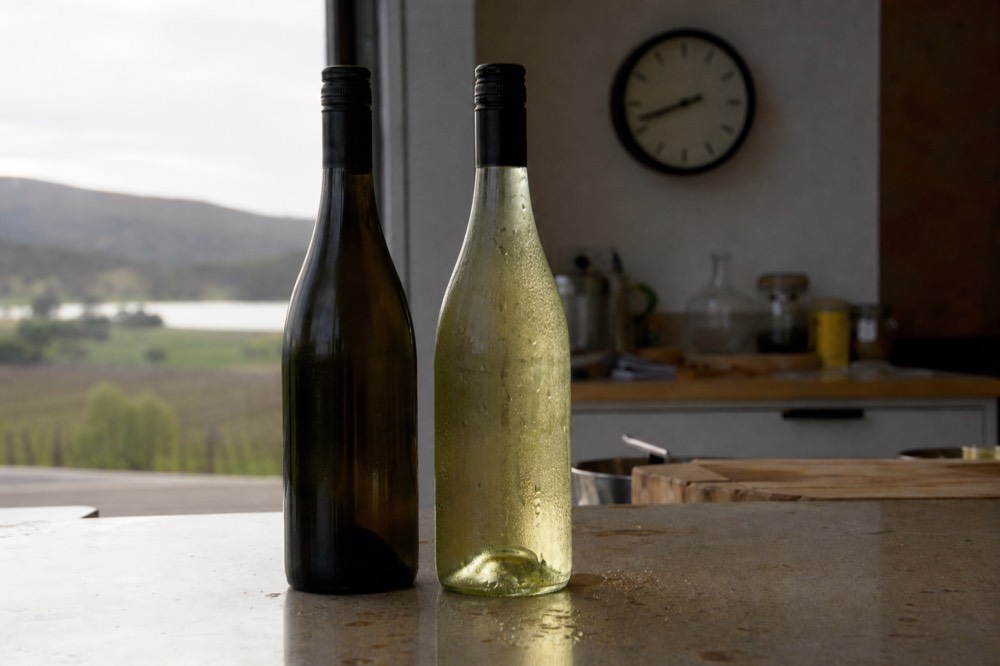
Is the 20 minute rule about pacing yourself at a cellar door?
No. There is no Australian cellar-door pacing rule by that name. Nobody at a Yarra Valley counter is timing twenty minutes between pours, no operator lists it in their tasting guidance, and the sources that use the phrase are all talking about fridges. The pacing question has a real answer, but this is not it.
The confusion is understandable. "Twenty minute rule" sounds exactly like the kind of thing a tasting room would enforce, and plenty of people repeat it that way. It is also sometimes attached to aeration, as though the rule were about letting a red breathe for twenty minutes after opening. Aeration is a genuine practice. It is a different one, and the twenty-minute rule is not it.
| What people think the rule is | Is that the rule? | What is actually true |
|---|---|---|
| Wait 20 minutes between pours to pace yourself | No | No cellar door runs this; pacing is managed by drinking water, eating, and using the spit bucket |
| Let a red breathe 20 minutes to aerate | No | Aeration is a separate practice with its own logic |
| Spend 20 minutes assessing each wine | No | Not a rule anywhere; a full flight of eight would take you most of a day |
| Whites and rosé out of the fridge 20 minutes early | Yes | This is the rule |
| Reds into the fridge for 20 minutes | Yes | This is the rule, in the other direction |
| Drink a poured glass within about 20 minutes | Partly | A real secondary usage, about aroma rather than temperature |
What genuinely governs a tasting room is less charming and considerably firmer. Victorian Responsible Service of Alcohol rules oblige staff to refuse service to an intoxicated guest, the legal drinking age is 18 with no exceptions at licensed venues, and photo ID is required from anyone who looks under 25. That is the real set of constraints, covered in full in what not to do at a wine tasting.
Why does twenty minutes in or out of a fridge change anything?
Temperature controls how much of a wine reaches your nose. Cold holds aroma down, so a fridge-cold white tastes muted and hard. Warmth pushes alcohol forward, so a summer-warm red tastes hot and blurry. Twenty minutes moves each of them toward the middle without overshooting.
Think about what you notice in a glass. Most of it is aroma rather than taste, which is why a heavy perfume at a shared tasting bench is such a problem and why a blocked nose flattens a wine completely. Chilling suppresses the volatile compounds that carry that aroma. Warming releases them, and past a point releases the alcohol along with everything else.
The direction of the fix depends on which mistake you are correcting. Australian households over-chill whites almost universally, because the fridge is where bottles live. The same households under-chill reds, because a cupboard in a Melbourne summer is a warm place. Two opposite errors, one twenty-minute correction each.
Light reds respond to this more visibly than heavy ones. A structured cabernet barely notices twenty minutes in the fridge. A pinot noir noticeably does, and that has direct consequences in the Yarra Valley, where pinot is the grape the region is built on.
What does the rule mean for a Yarra Valley pinot noir?
Pinot noir is the light-bodied red the fridge half of the rule was made for. It is also the Yarra's signature grape, so a bottle you carry home from a tour is the exact wine most likely to be spoiled by being served too warm and most improved by twenty minutes of cold.
The region's standing here is not marketing. In the Halliday Wine Companion 2026 awards, Mount Mary's 2023 Pinot Noir was named Pinot Noir of the Year at 98 points, and Yarra Yering's Dry Red Wine No. 1 took the Cabernet and Blends title at 99 points. Both are Yarra Valley wines. Neither, worth saying plainly, is a bus stop: the cult names pour by appointment or not at all, and no group tour reaches them.
What group tours do reach is the working middle of the valley, and that middle is full of pinot. The best Yarra Valley wineries guide covers which of them are actually visitable, and what the Yarra is known for explains why the cool climate produces the styles it does.
Vintage matters to how you handle the bottle too. Wine Australia's national vintage reporting put the 2026 Victorian crush at 191,765 tonnes, down 31 percent on the ten-year average, inside the smallest national harvest since 2000. Smaller yields with unusually clean fruit tend to mean concentrated wines. Concentration is exactly the quality that reads as heat and alcohol if you serve the bottle warm.
How do you get a bottle home from a tour without ruining it?
Keep it out of the boot. A parked car in a Melbourne summer reaches temperatures that cook wine permanently, and no amount of fridge time afterwards reverses it. Ask the guide where bottles are stored, and on a hot day carry it in the cabin rather than the luggage space.
This is the practical end of the twenty-minute rule, and the part almost nobody thinks about at the counter. You have just spent A$40 on something you liked. It then sits in a stationary vehicle in a Yarra Glen car park through the warmest hours of the afternoon, and the damage happens there, not in your kitchen.
Most tour vehicles handle this sensibly and guides will tell you where to put a purchase. The problem is genuinely worse on self-drive days, where the car is parked in full sun at every stop and nobody is thinking about it.
| Purchase | Transport consideration |
|---|---|
| Cellar-door wine | Keep it shaded and ask the guide where bottles travel |
| A bottle offered with a booking | Confirm it is included in the exact selected option |
| Cheese | Plan appropriate cold storage before buying |
| Chocolate | Keep it away from heat and direct sun |
Buying a bottle is an optional part of a tasting day, not a guaranteed inclusion across tours. Check the exact booking option before counting a promotional bottle in the fare. For anything you buy, ask where it can be stored during the return trip; a storage box is not the same as refrigerated transport.
Once it is home, the rule does the rest. Whites out twenty minutes early, reds in for twenty. It will not turn a modest bottle into a great one, but it will stop a good bottle presenting badly, which is the more common failure. For everything else about picking a day out in the valley, the Yarra Valley tour lineup lays the options side by side.
Match The Day To Your Plans
Editorial starting point. Confirm your party's age, access needs and departure details on the listing.
Yarra Valley Wine & Winery Tour from Melbourne - All Inclusive!: Glass of wine and tea or coffee with lunch; Pickup and drop-off from designated meeting points; Wine tastings at Yarra Valley wineries; Lunch at Balgownie Estate or equivalent; Transport by air-conditioned mini bus Not included: Gratuities; Hotel pickup and drop-off; Cruise port pickup and drop-off 8 hours